

Diabetic Eye Exams

Diabetic Eye Exams Near Madisonville, KY
Diabetes can change the inside of your eyes well before it changes how you see. At Absolute Eye Care, our optometrist looks closely at the retina and its blood vessels, and if diabetic retinopathy is found, we closely monitor and treat it so changes are followed rather than discovered late. As a locally owned practice based in Hanson, we welcome patients with type 1 and type 2 diabetes who travel from Madisonville and other parts of Hopkins County.
How Diabetes Affects Your Eyes
Over time, high blood sugar can weaken and damage the tiny blood vessels of the retina, the light-sensitive tissue lining the inside of the eye. This is diabetic retinopathy. In its earlier stages, small vessels may bulge or leak fluid and specks of blood. As it advances, fragile new vessels can grow across the retina and bleed, and fluid can collect in the macula, the central area you rely on for reading, driving and recognizing faces.
Diabetes is tied to other eye problems as well, including cataracts that form earlier than usual and a greater chance of developing glaucoma. Our glaucoma care page covers how that condition is checked and managed.
Why Regular Exams Matter When You Have Diabetes
Diabetic retinopathy is often silent at first. Your vision can stay sharp while damage is already building, and by the time blurring or floaters appear, the condition may be well along. An eye exam is how these changes are found, which is why an exam is worth keeping up even when nothing seems wrong. The doctor will advise how often to return based on what the exam shows.
Keeping blood sugar, blood pressure and cholesterol within the ranges your physician recommends also helps protect the delicate vessels in your eyes, just as it protects the rest of your body.
What An Eye Exam Can Reveal About Your Health
The back of the eye is one of the few places where a doctor can look straight at blood vessels. During a comprehensive exam, those vessels can show early signs of diabetes and high blood pressure, sometimes in people who have not yet been diagnosed with either. If we notice changes like these, we will explain what we found and may suggest you follow up with your physician.
How We Monitor & Treat Diabetic Retinopathy
Wide-View Retinal Imaging
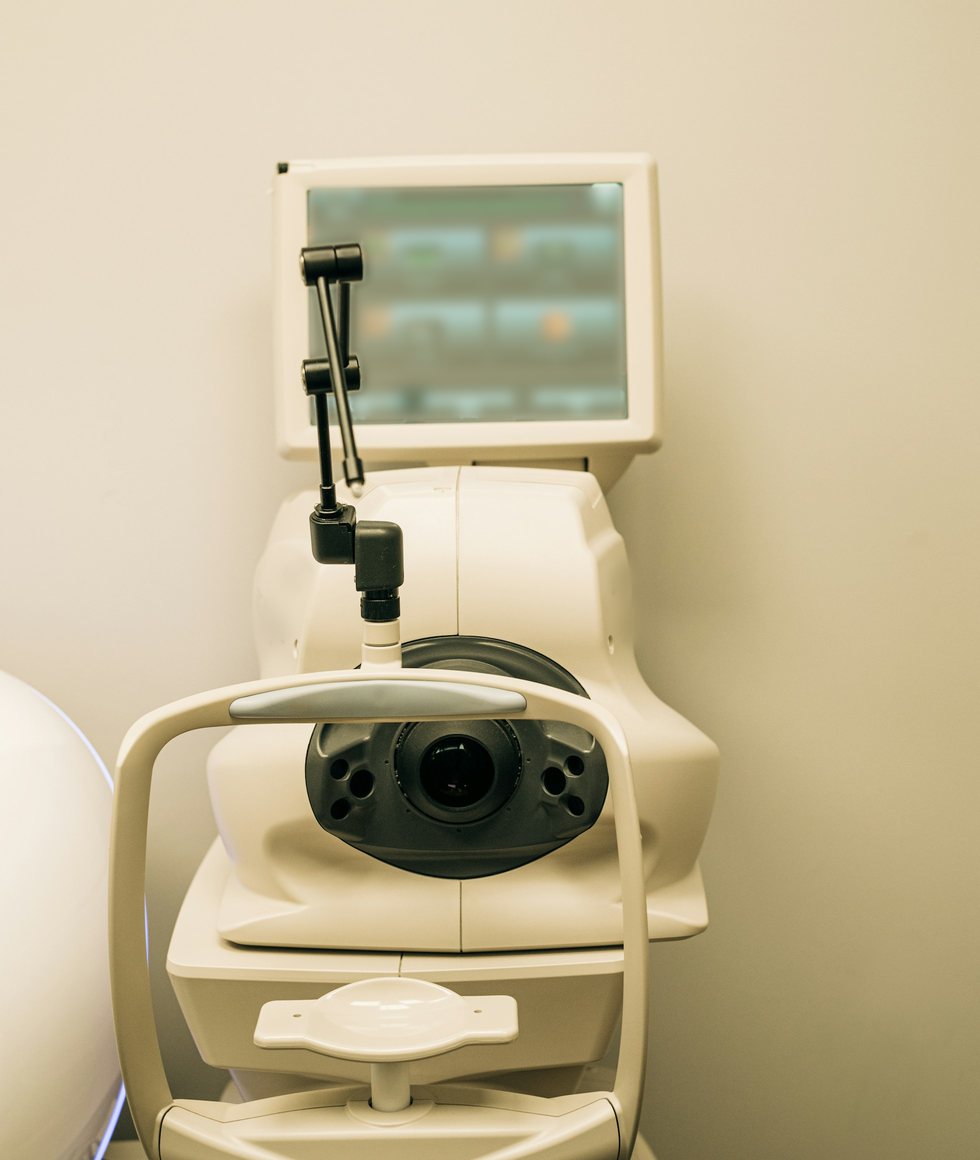
We offer Optomap retinal imaging, which is fast and painless and helps the doctor diagnose and monitor retinal problems linked to diabetes. Saved images let this year's view sit beside last year's, so small changes that are hard to judge from memory stand out.
Close Follow-Up
When retinopathy is diagnosed, you are seen regularly and treated as needed, with a clear explanation at each visit of what we see and what it means for your sight. How often you are seen depends on how far changes have progressed. Diabetic retinopathy belongs with the long-term conditions we follow over the years; read more about our approach to managing eye disease.
Symptoms That Mean You Should Call Promptly
Between visits, don't wait if you notice any of the following. Contact an eye doctor without delay, or seek emergency care if our office is closed:
- A sudden shower of new floaters, spots or dark strings
- Blurry or fluctuating vision that does not settle
- Dark, empty or missing patches in what you see
- Colors looking faded or washed out
- Sudden loss of vision in one eye, which needs medical care right away
Blood sugar running high can blur your sight for a short while, and it may clear once levels come down. Mention it at your visit all the same.
Preparing For Your Diabetic Eye Exam
- When you call or write to us, tell us you have diabetes, which type, and roughly how long you have had it.
- Bring your glasses or contacts and a list of your current medications.
- We look closely at the retina, and Optomap retinal imaging is available.
- Before you leave, the doctor explains the findings and when to come back.
Diabetic Eye Exam FAQs
My vision seems fine. Do I still need a diabetic eye exam?
Yes. Diabetic retinopathy usually causes no symptoms early on, so changes in the retina can be developing while your sight still feels normal. Examining the retina is how they are found.
How does a diabetic exam differ from a routine one?
It is a comprehensive eye exam with particular attention to the retina, so the doctor can look for signs of diabetic retinopathy and compare findings with earlier visits.
Will my eyes be dilated?
Some diabetic eye exams use dilating drops. If they are used, vision can be blurry and sensitive to light for a few hours afterward, so sunglasses can help.
Can diabetic retinopathy be reversed?
Damage that has already happened may not fully go away. Finding changes early, keeping your diabetes well controlled and following the care plan the doctor recommends give you the best chance of slowing it down.

Schedule A Retina Check For Diabetes
Mention your diabetes when you get in touch, and we will find a weekday time that suits you, or a Saturday by appointment.
