
Contact Lenses

Contact Lens Exams & Fittings Near Madisonville, KY
Thinking about switching to contacts, or tired of lenses that never feel quite right? Our locally owned Hanson office, a little north of Madisonville, offers exams and fittings for contact lenses to new and longtime wearers alike. The doctor examines your eyes, fits you for lenses that suit them and teaches you to wear and look after them.
Do You Need An Eye Exam Before Getting Contacts?
Yes. A contact lens rests directly on your eye's surface, so it has to suit that eye as well as correct your vision. That is why your first step is a full eye exam. It confirms your eyes are healthy enough for contacts and gives the doctor the measurements needed for a fitting. An eyeglass prescription on its own isn't enough to order contacts, because the two are written differently. If you're due for a general check-up as well, our comprehensive eye exams page explains what that visit covers.
From Exam To Fitting
Once we know your eyes are a good candidate, the fitting begins. We help you choose the right match of lens type, brand and prescription for your eyes and your routine. A typical path to comfortable lenses looks like this:
- Eye exam. The doctor measures your vision and examines each eye.
- Fitting. We see how lenses suit your eyes, then settle on a lens and prescription.
- Training. If you're a new wearer, we cover inserting, removing and cleaning your lenses.
- Ongoing checks. Regular visits keep your fit, prescription and eye health on track.
Contact Lenses For Astigmatism, Bifocals And Dry Eyes
Contacts are made in a wide range of styles and materials, so most people have more choices than they expect. You're welcome to ask us about lens options before you come in:
- Astigmatism: lens designs made to correct the uneven focus that astigmatism causes.
- Bifocal wearers: lenses that help with both distance and close-up vision, for people who would otherwise reach for reading glasses.
- Dry eyes: materials and wearing options chosen with dryness and comfort in mind. Our dry eye care page covers dryness that bothers you with or without lenses.
Wearing And Caring For Your Contacts
Help For First-Time Wearers
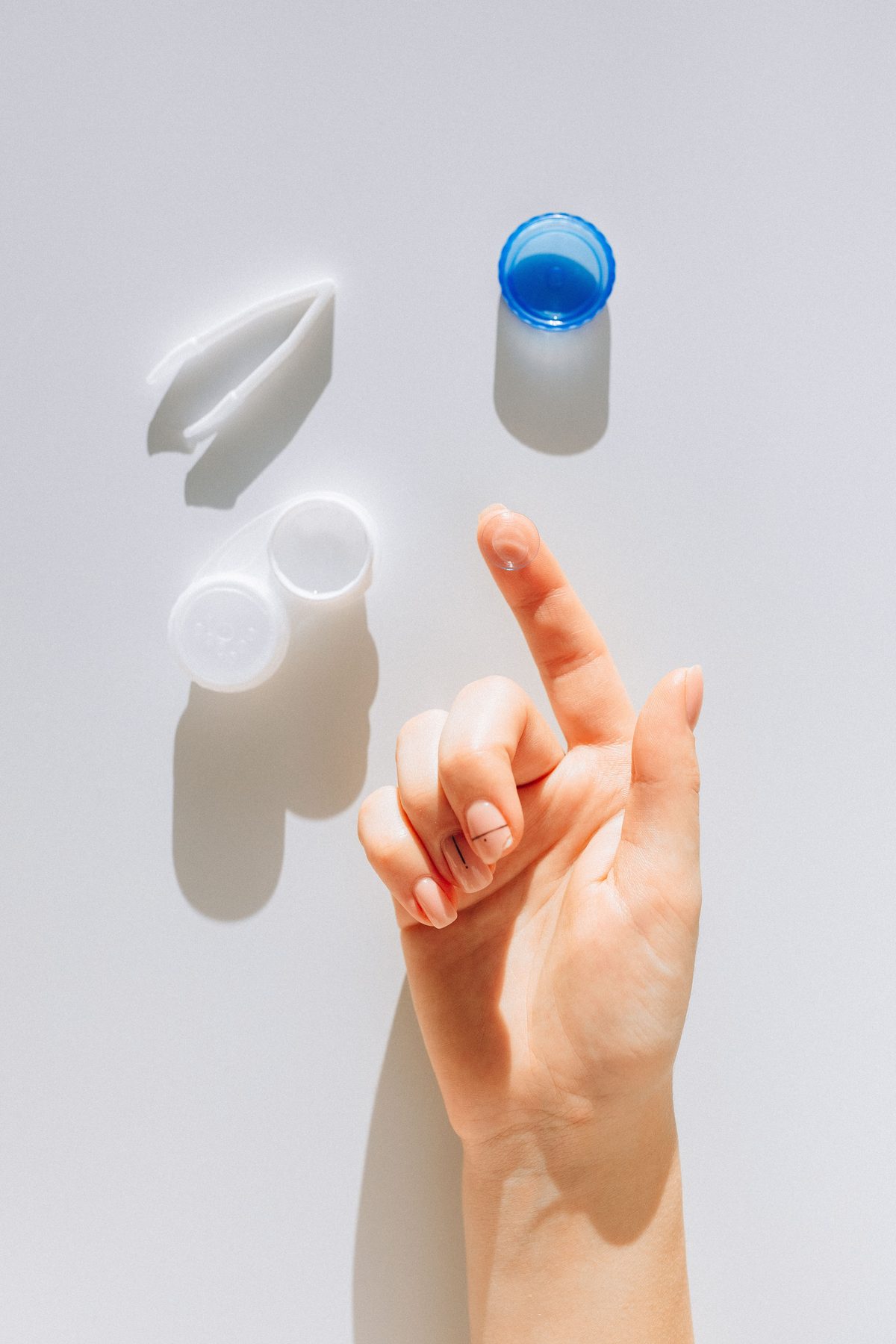
Putting a lens in for the first time can feel awkward. If you're new to contacts, we walk you through inserting and removing them, cleaning and storing them, and the daily habits that keep your eyes healthy. While you're getting used to them, you're welcome to call us with questions.
Everyday Lens Care
Good habits head off a lot of contact lens trouble. A few to keep in mind:
- Wear clean lenses that fit well. Many common problems start with lenses that are dirty or no longer fit properly.
- Replace disposable lenses on time. Some are made to be thrown away after a single day, others after as long as a month.
- Follow the wearing schedule your optometrist prescribes for your eyes, including your daily wearing hours.
- Keep up with regular checks, so changes in your eyes or your prescription are caught early.
Why Are My Contacts Uncomfortable?
Contacts should feel comfortable for the hours you're meant to wear them. If yours leave your eyes scratchy, red or tired, the brand you're wearing may not agree with the chemistry of your eyes, or the lens may no longer fit as it should. We check the fit and whether your current lenses still suit you, and a different lens may feel noticeably better. If your eyes become painful or very red, take your lenses out and call us. Outside office hours, go to emergency care instead of waiting.
Contact Lens FAQs
How long do disposable lenses last?
From one day to one month, depending on the lens. Your optometrist will tell you exactly when to replace yours.
Do you prescribe glasses too?
Yes. We write prescriptions for both eyeglasses and contact lenses. A current pair of glasses is worth keeping for early mornings, late evenings or days when your eyes feel tired.
What should I bring to my contact lens exam?
Bring your current glasses or contact lenses, if you have them.
How often should contact lens wearers have their eyes checked?
Every wearer benefits from regular eye health checks. Your optometrist will suggest how often, based on your eyes and the type of lens you use.

Ready To Try Contacts?
Mention contact lenses when you call to book your contact lens exam.
