
Comprehensive Eye Exams

Comprehensive Eye Exams For Hanson & Madisonville, KY
A thorough eye exam at Absolute Eye Care checks far more than whether you can read the bottom line of a chart. Our optometrist checks both your sight and the condition of each eye, front to back, so problems can be found while they are still small. We see young children, working adults and seniors throughout Hopkins County, including families from Madisonville.
Why Get An Eye Exam If You See Fine?
Some eye and vision disorders give no obvious signs in their early stages. You can have clear, comfortable vision while a change is already under way inside the eye, which is why many people only learn about a problem once it starts to affect their sight. Routine exams are a simple part of preventive health care: they give the doctor a baseline to compare against at later visits and a chance to catch changes you would not notice yourself.
Eye Exams For Kids, Adults And Seniors
Children rarely complain about blurry vision because they assume everyone sees the way they do, so an exam is a reliable way to check their eyes are ready for the classroom. Adults benefit from regular checks as screen time, driving and work demands change. For seniors, exams become even more important, since conditions such as cataracts and macular degeneration become more common later in life.
What Happens At A Comprehensive Eye Exam?
A comprehensive exam looks at two things: your vision and your eye health. Depending on your age, history and needs, it may include a look at:
- How sharply you see at a distance and up close, and whether lenses would make it clearer
- The eyelids, lashes and the clear front surface of the eye, where redness, swelling and infections show up
- The natural lens inside the eye, where a cataract forms
- The retina, optic nerve and blood vessels deep inside the eye
What Your Visit May Include
- Setting up the visit. When you call, tell us if it's your first visit and whether anything about your eyes is bothering you.
- Talk through your history. Bring along the glasses or contacts you wear now, and let us know about any health conditions, medications or changes in your vision.
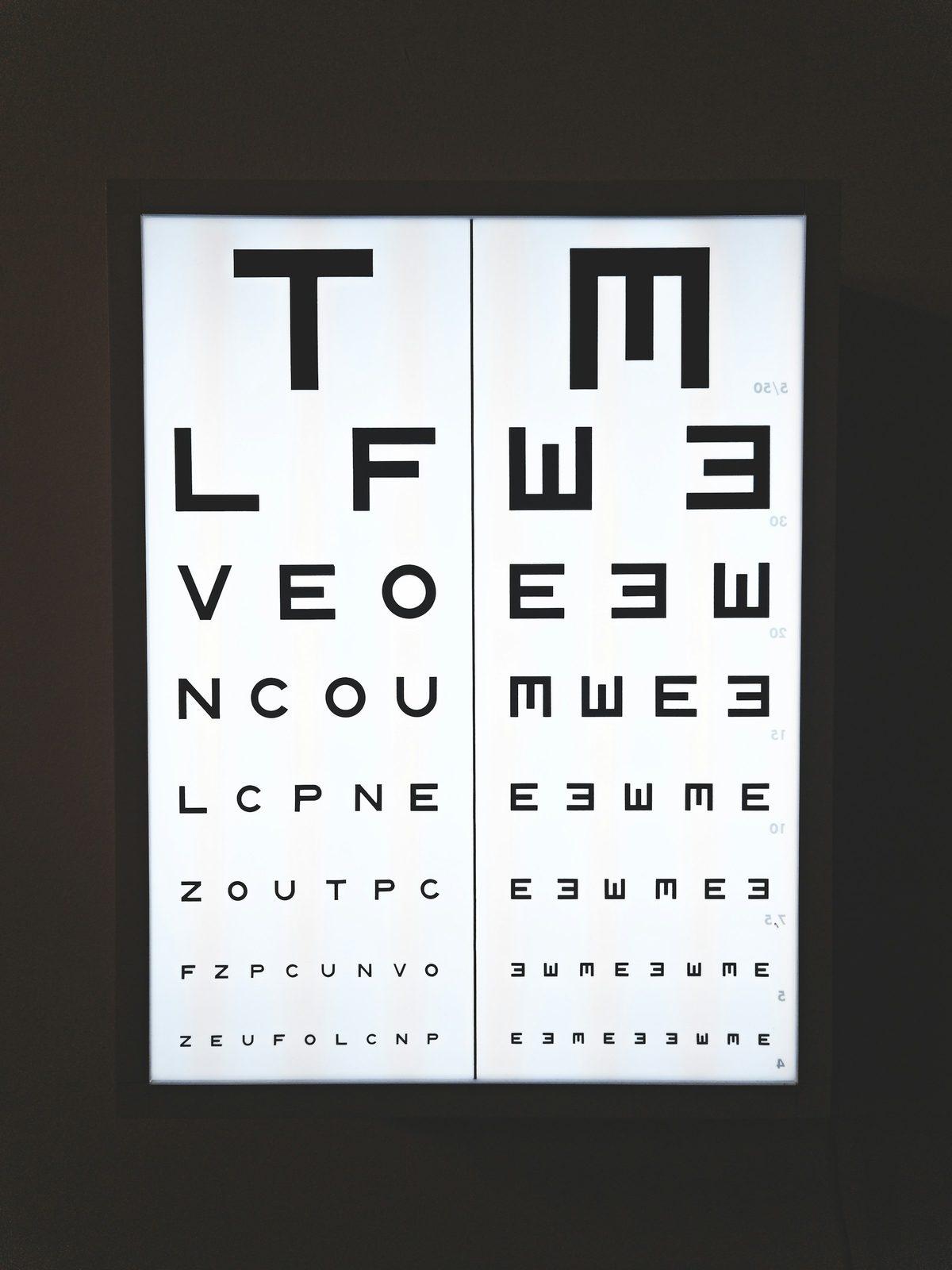
- Vision testing. You may read letters on a chart and compare lens options to help measure your prescription.
- Eye health check. The doctor looks at the front and back of each eye, and retinal photos are available when they would help.
- Results and next steps. We explain what we found, give you any prescription you need and recommend when to come back.
What Can An Eye Exam Detect?
Eye Diseases And Disorders
Exams are how cataracts, glaucoma, a detached retina and macular degeneration are usually found. We also diagnose retinal disorders, eyelid disorders, red eyes and eye infections such as conjunctivitis. If something needs ongoing attention, our eye disease management page explains how we monitor and treat it.
Clues About Your Overall Health
Your eyes offer a rare, direct view of small blood vessels. What the doctor sees there can point to early signs of high blood pressure, diabetes or an increased chance of stroke, sometimes before you have noticed any other symptom.
Vision Problems We Assess And Treat
We check for nearsightedness, farsightedness, astigmatism, presbyopia (the age-related loss of near focusing) and amblyopia, often called lazy eye. When lenses will help, we write a prescription for eyeglasses. Contacts follow after a separate fitting, which we cover on our contact lens exams page.
Optomap Retinal Imaging
We offer Optomap retinal imaging, which takes a digital image of your retina, the thin layer of light-sensing tissue inside the eye. It is quick, painless and the doctor's preferred way to check on your retina.
Because the image is saved, it can be compared with your next one. That makes it easier to diagnose retinal problems and track them over time, including those tied to hypertension, high cholesterol, diabetes and thyroid issues.
Eye Exam FAQs
How often should I have an eye exam?
It depends on your age, your eye health and conditions such as diabetes. The doctor can recommend a schedule that fits you.
Do you examine children's eyes?
Yes. Kids are welcome, and so are their parents and grandparents, so the whole family can be seen at one office.
Does retinal imaging hurt?
No. It is painless and fast. You simply look into the device while it photographs the retina.
Will my exam give me a contact lens prescription?
If you need glasses, you'll leave with an eyeglass prescription. Because a contact lens sits directly on the eye, contacts need their own exam and fitting before we can write that prescription.
Why Choose Absolute Eye Care For Your Exam?
Backed by over 25 years in optometry, our optometrist knows how much small findings can matter and follows them closely from one year to the next. Service is personable and responsive: your history is on file, your questions get plain-language answers, and if something comes up between visits you're welcome to send us a message.

Book Your Eye Exam In Hanson
Weekday appointments run Tuesday through Friday, and Saturday visits are by appointment only.
